An Infill or Full Lash Extensions Set? Guide for Returning Clients


Table of Contents
Does Your Client Need an Infill or a New Lash Set?
A lash infill can bring an existing set back to its original shape and fullness. But if only a few extensions remain, or your client wants a completely different look, a full set may be the better booking. Here’s how to decide what you can achieve in the appointment.
For more advice on building your client base, read our guide to turning new lash clients into regulars.
What Is a Lash Infill?
An infill restores an existing set by replacing outgrown extensions and filling gaps where extensions have shed. Many clients return after three to four weeks, although the right interval depends on their natural lash cycle and how well the set has held up. When a natural lash sheds, the extension attached to it sheds too. Learn more in our guide to natural lash shedding.
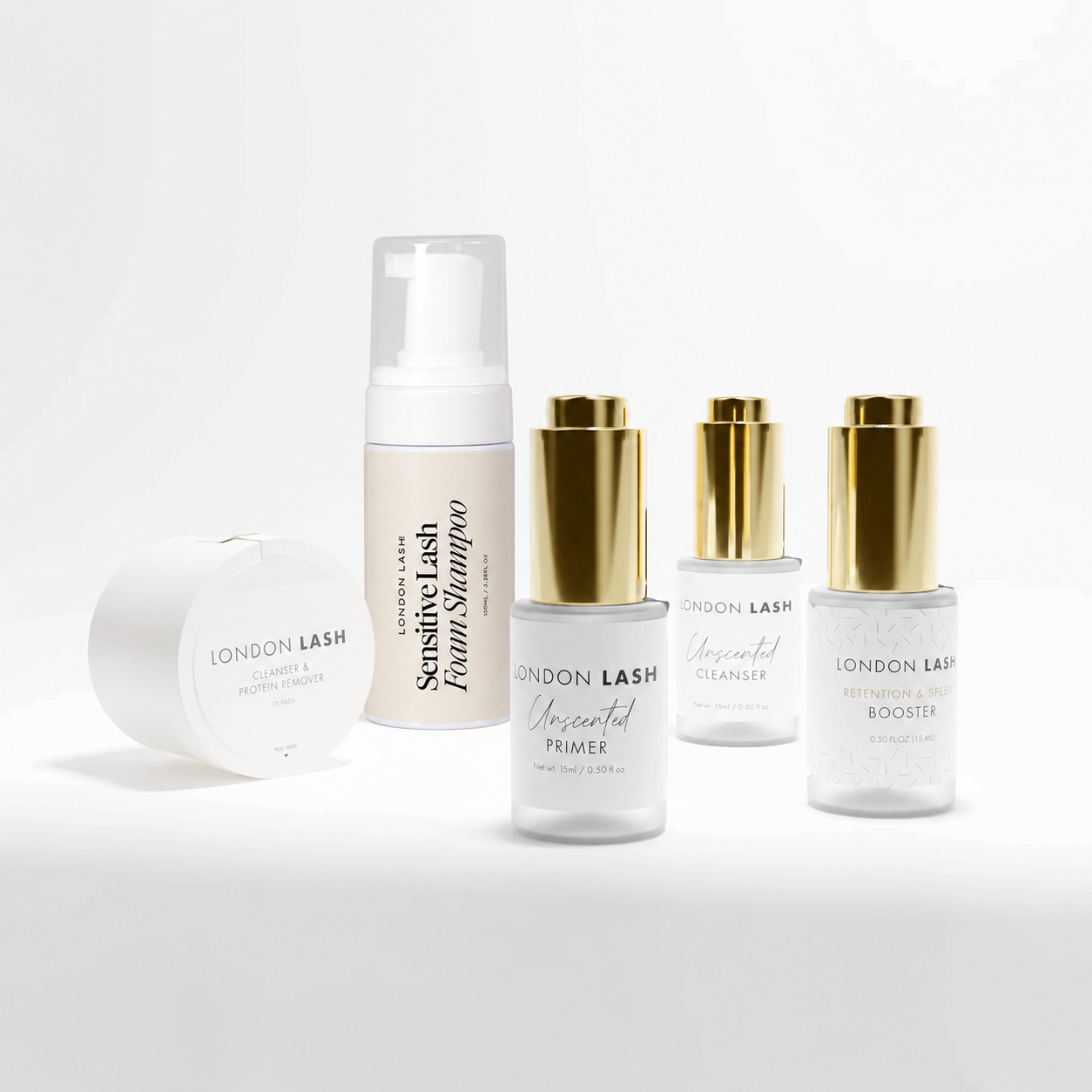
At the appointment, check how many extensions remain, how much they’ve grown out and the condition of the natural lashes. Ask about your client’s aftercare, including how often they cleanse their lashes and whether they use a product such as Sensitive Lash Shampoo. This gives you a better idea of what you can achieve in the time booked.

Which Lashes Should You Use for an Infill?
Record the curl, length, diameter and products you use at each appointment so you can recreate the look at the next infill. If the original set used Ellipse Flat Lashes, Flexie adhesive and Superbonder Sealant, for example, those notes give you a starting point when the client returns.
For a volume set, Mayfair Premade Volume Fans can save time you would otherwise spend making fans by hand. Choose a fan that blends with the existing set and suits the natural lash it will sit on.
If your client wants a slightly wispier finish, you can use Easy Fanning Lashes to introduce texture as you fill the gaps. Adding a few suitable premade fans to a classic set can also create a soft hybrid look. Plan the placement so the new extensions blend with the lashes that are already there.

How to Perform a Lash Infill
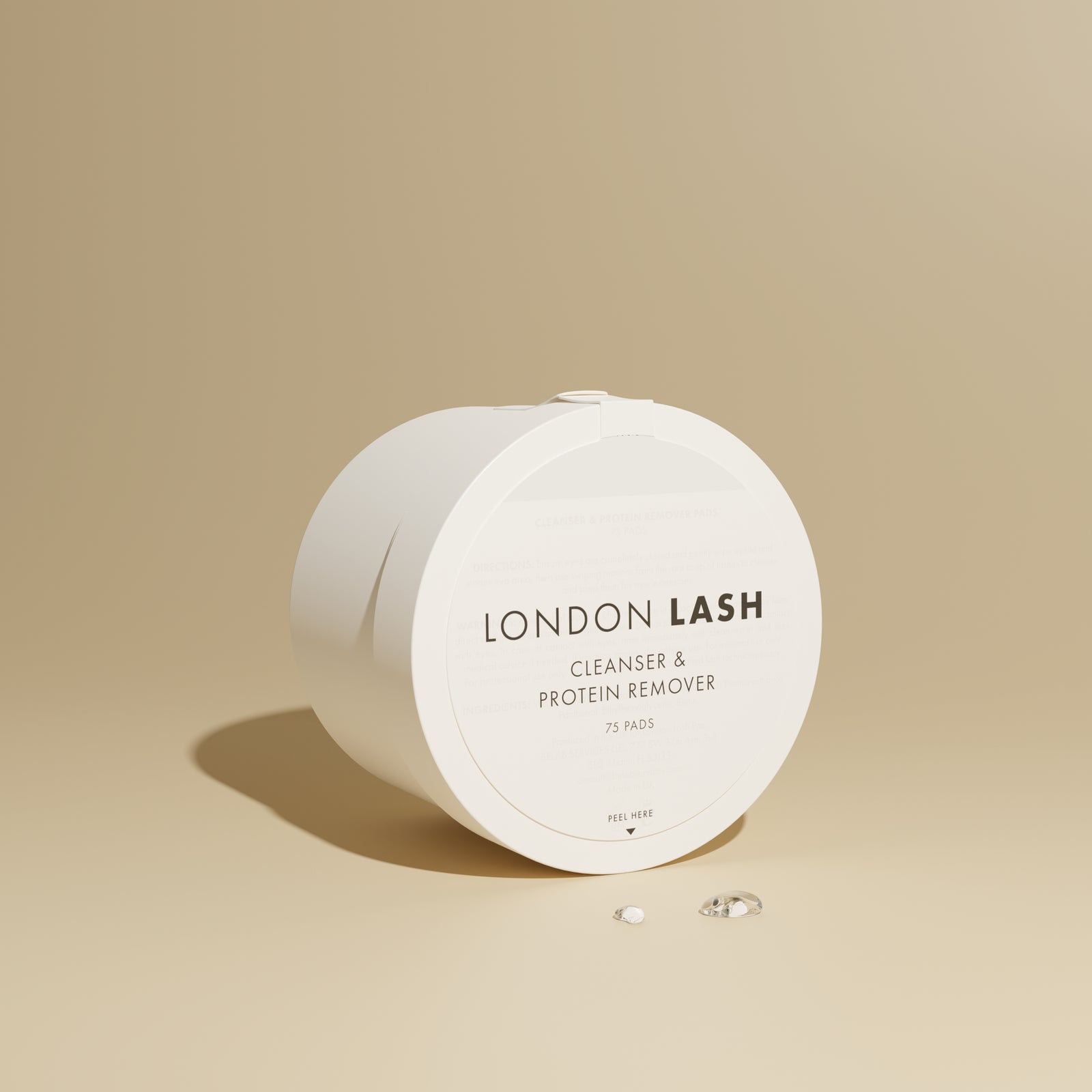
Start by assessing the existing set and identifying any outgrown extensions that need removing. Cleanse and prepare the lashes carefully around the remaining bonds. If you use the 5-Step Pre-treatment Kit or Protein Removing Pads, follow the product directions. You can find the rest of the range in our lash pre-treatment collection.
Use your original lash map to match the shape and lengths, or adjust it if you’ve agreed to add a little more density or texture. Focus on restoring balance across the lash line and talk through what’s achievable before you start.
When Should You Book a Full Set Instead?
As a guide, an infill may be workable when around 40–50% of the extensions remain in good condition. If fewer than 40% remain, a full set is usually the better booking. Also consider where the gaps are and how many of the remaining extensions need removing because they’ve grown out.
If your client wants a different shape or style that requires removing most of the existing set, explain what can be achieved in the time booked and offer a removal and full-set appointment.

What If Your Client Has Poor Retention?
If more extensions have shed than expected, assess the set and ask your client what they noticed between appointments. Look for lashes stuck together, review your preparation and attachment, and ask how they’ve been cleansing and caring for the set. Short new lashes can be a clue that natural shedding has played a part.
Use your appointment notes to review the products, lengths and diameters you used. If you spot something you can improve, agree on what you’ll change at the next appointment and explain how the client can care for their lashes between visits.
Set Expectations Before the Next Booking
Tell clients when to book their next infill, how to look after their lashes and when they might need a full set. If they’re unsure what to book, ask for a clear photo of both eyes so you can advise them before they arrive.
Check out these featured products