Heat & Humidity | Glue Tips for Lashing in the Summer
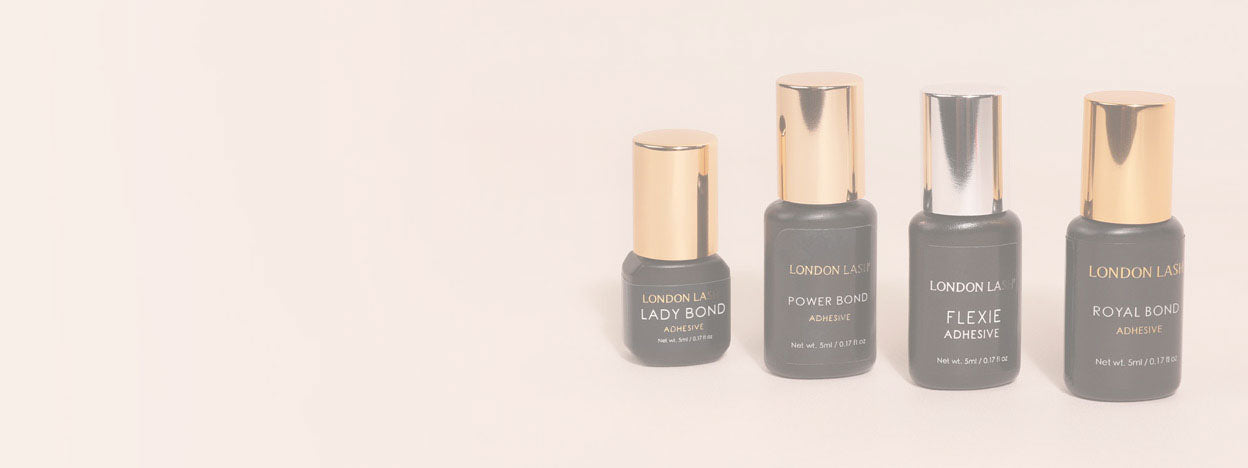

Table of Contents
How Heat and Humidity Affect Lash Glue
Professional eyelash extension glue can be sensitive to changes in temperature and humidity. Even a relatively small change in your salon conditions can affect an adhesive’s curing speed, application and retention.
Seasonal changes can make maintaining consistent room conditions more difficult, particularly during warmer months. If you experience changes in adhesive performance, measure your environment and compare the results with the recommended working range for your chosen glue.

Temperature vs Humidity
Humidity has a significant effect on how quickly cyanoacrylate lash adhesive polymerises, while changes in temperature can also affect its behaviour. High humidity generally accelerates curing, whereas low humidity can slow it down.
Many professional lash adhesives perform best within a temperature range of approximately 18–22°C, but the correct conditions vary between products. Always check the specified temperature and humidity range for the individual adhesive you are using.
Opening a window can improve ventilation but may also introduce humid or dry outdoor air. Air conditioning can lower the temperature while gradually reducing the room’s humidity. Monitor both measurements whenever you make changes to your salon environment.

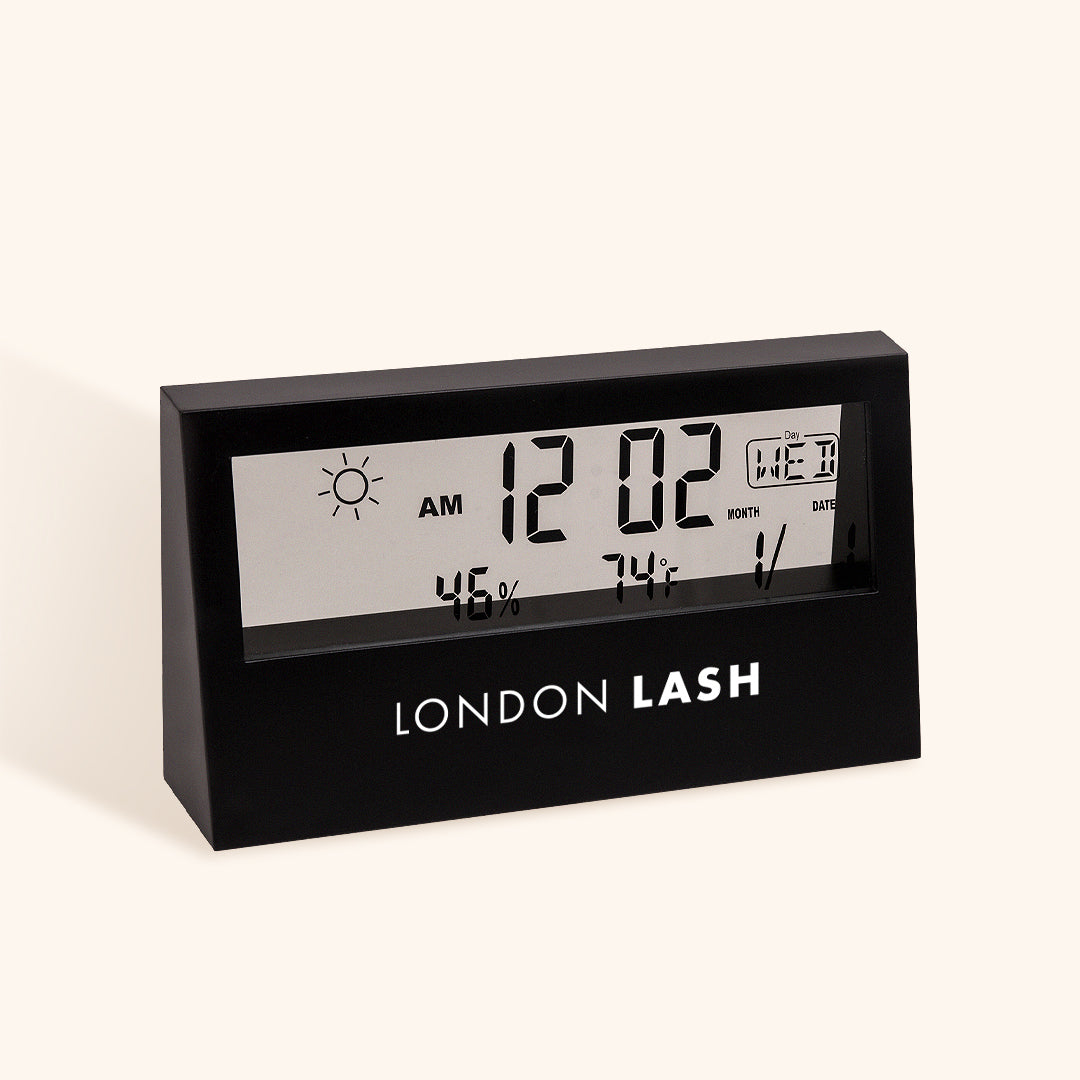
Use a Digital Hygrometer and Thermometer to monitor your room accurately. Position it close to your working area, away from direct sunlight, open windows, air-conditioning vents and humidifiers.
What to Do if Your Humidity Is Low
Low humidity can cause lash adhesive to cure more slowly than expected. If your glue remains wet for too long after placement, extensions may lean or move, and you may experience an increased number of stickies.
For example, an adhesive that matches your placement speed at 55% humidity may behave more slowly if air conditioning reduces the room to 35% humidity. Rather than changing your technique without measuring the room, check the hygrometer and confirm whether the conditions remain suitable for your adhesive.
- Use a suitable humidifier to increase the room’s humidity gradually. Keep it away from the treatment bed and monitor the hygrometer to avoid exceeding the adhesive’s recommended range.
- Consider an adhesive formulated to perform in lower-humidity conditions.
- Apply Retention and Speed Booster to the base of the extensions while they remain on the strip. This can speed up attachment and help prevent handmade volume fans from closing.
Retention and Speed Booster should not be applied to the client’s natural lashes. It must also not be used on Easy Fanning lashes because it can affect their adhesive-bonded base. Always follow the current product instructions.
What to Do if Your Humidity Is High
High humidity causes lash adhesive to cure more quickly. If it begins curing before the extension reaches the natural lash, it may not form a secure bond, resulting in poor retention.
A dehumidifier can help bring excessively high humidity back within your adhesive’s recommended range. Continue to monitor the room rather than relying on the appliance’s settings alone. A dehumidifier does not replace appropriate salon ventilation or exposure controls.
You may also need to choose an adhesive with a slower curing time that better matches your placement speed and room conditions. Compare the product specifications rather than assuming one glue will perform consistently in every environment.
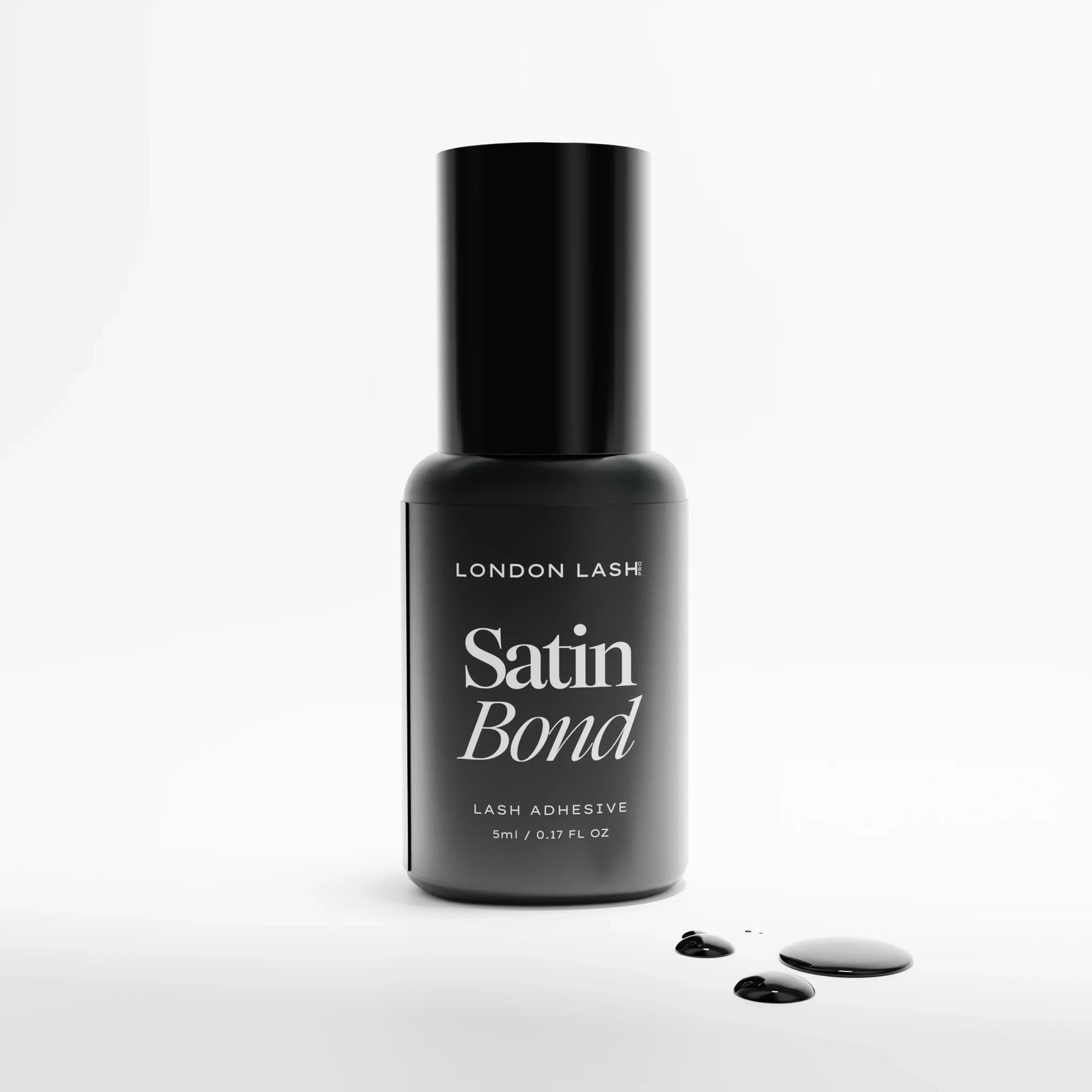
- Satin Bond offers a more manageable curing speed for newer or slower-working lash artists.
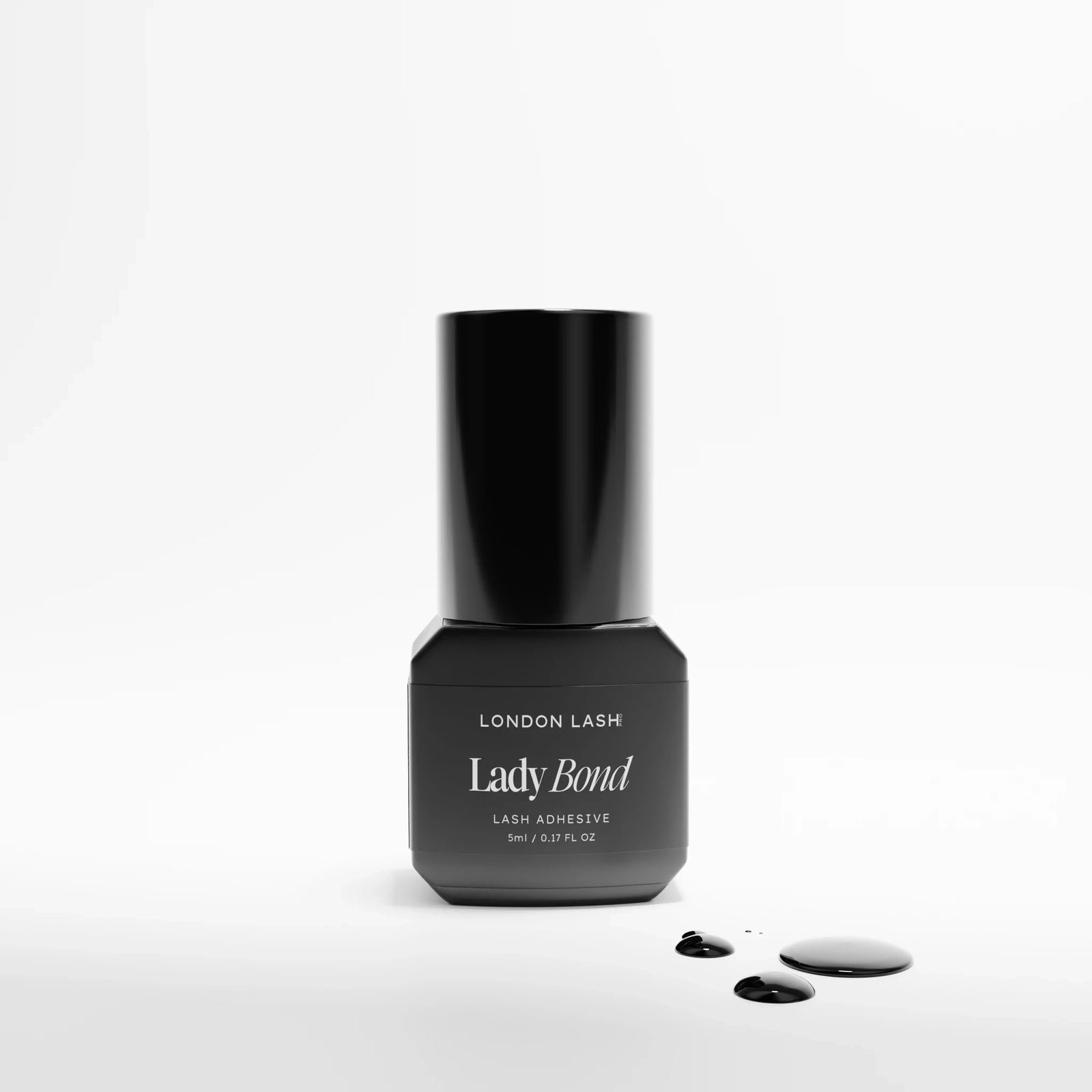
- Lady Bond is suitable for artists requiring a faster adhesive.
- Flexie is a fast, one-second adhesive intended for advanced professionals.
- Power Bond and Royal Bond both cure in approximately 0.5–1 second and are intended for fast, advanced lash artists.
Refresh your glue drop regularly throughout the treatment. Heat and humidity affect the exposed adhesive drop more quickly than the glue remaining inside the bottle. You can also read our guide to choosing a slower-drying lash glue during summer.
What Else Can Affect Summer Lash Retention?
During warmer weather, clients may sweat more frequently, wear additional sunscreen or use oil-based skincare products. Swimming, heat and changes to their aftercare routine may also affect how clean their extensions remain between appointments.
Carry out a thorough eyelash extension pretreatment routine to remove makeup, oils, sweat, sunscreen and other residue before application.
After completing the set, consider using Superbonder Sealant according to its product instructions. Superbonder polymerises the adhesive, adds flexibility to the finished bonds and allows the extensions to be exposed to water immediately after treatment.
Remind clients to cleanse their extensions regularly and follow the recommended aftercare routine. Normal seasonal shedding and changes in a client’s lifestyle can also affect when an infill is required, so assess each client individually rather than promising a fixed retention period.
Check out these featured products