How Winter Affects Lash Glue


Table of Contents
How Winter Affects Eyelash Glue and What You Can Do About It
As autumn temperatures begin to drop, the cosy winter season is just around the corner. It’s a lovely time to wrap up warm, but for lash technicians, cooler mornings and changes in salon heating can affect how your lash glue behaves. The adhesive that felt predictable in summer may start setting at a different pace.
Here’s what to check if your glue behaves differently this winter, from your client’s skincare routine to the temperature and humidity at your lash station.
Changes to Your Clients’ Skincare
Before changing your room setup or adhesive, ask whether your client has switched to a richer moisturiser or started applying it more often. Heavier skincare can leave residue around the lash line, so check the natural lashes during your consultation and choose pretreatment steps based on what you need to remove.
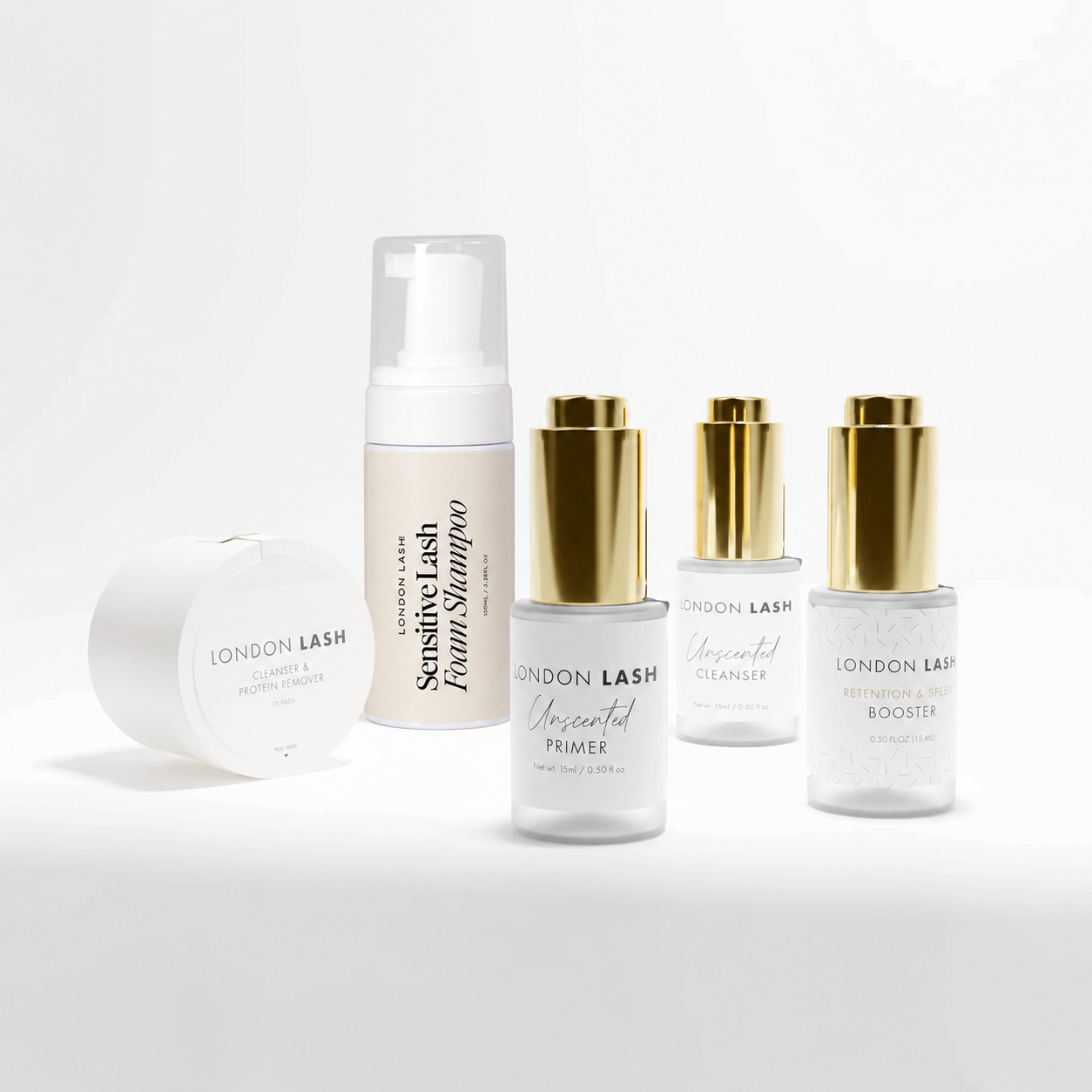
Follow the directions for your 5-Step Pretreatment Kit, or compare the options in our guide to lash pretreatment routines. Use Lash Primer as directed during prep and let the natural lashes dry before you begin applying extensions.
If you use Retention & Speed Booster to help with faster attachment, apply it to the base of the extensions while they’re still on the strip. Keep it off the client’s natural lashes and use it according to the product directions.

When Should You Switch Lash Glue?
If extensions start to lean as you release them, your adhesive may be setting more slowly than you’re used to. Check your room readings against the adhesive’s recommended working range before switching. If the room is within range and the glue still feels slow for your placement speed, here are some options to compare:
- If you use Satin Bond, compare it with Lady Bond.
- If you use Lady Bond, consider Flexie.
- If you use Flexie and need a faster set, compare Royal Bond and Power Bond. Check their working ranges and see which formulas are available as adhesive samples.
Check the room conditions and give yourself time to get used to a different setting speed before using a new adhesive in a fully booked day.

What Happens When Your Salon Cools Overnight?
Temperature affects glue while you’re lashing, but it’s also worth thinking about where you store your bottles overnight. If the heating goes off when you leave, the salon can be much cooler the next morning. Moving a cold bottle into a warm room can also lead to condensation. If moisture gets inside, the adhesive can start curing in the bottle and become thick or difficult to dispense.
Follow the storage directions for your specific glue. Keep opened bottles upright, tightly closed and away from moisture in a place with a stable temperature. An Airtight Glue Container can help keep bottles together, but you’ll still need to choose a suitable place to store it. If your usual cupboard gets particularly cold overnight, move the container somewhere that stays within the recommended storage range.
How Does Humidity Affect Lash Glue in Winter?
Winter humidity can go either way indoors. Central heating can make your workspace drier, while drying laundry indoors can raise humidity if you lash from home. Outdoor weather alone gives you little information about what’s happening at the lash bed.
Use a digital hygrometer and thermometer near your workstation. Check the readings before your first client and again if you adjust the heating or notice the glue behaving differently.
- If humidity is low: Your glue may set more slowly. If you use a humidifier, position it away from the lash bed and check the readings as you adjust it.
- If humidity is high: Your glue may start setting before you finish placing the extension. Check whether you can bring the room back into range or choose an adhesive that suits the conditions you can maintain.
- If your readings are already in range: Check the bottle’s opening date, how it was stored and whether its setting speed still suits your placement.
At the end of the appointment, check for stickies. If you finish with Superbonder Sealant, use a clean microfibre brush and follow the product directions for timing and application. Give the client aftercare advice based on the adhesive and finishing products you used.

Party Season Aftercare
In the run-up to party season, remember the clients who love a glittery eyeshadow. Show them how to remove eye makeup gently and cleanse along the lash line with Sensitive Lash Shampoo, following the product directions. Remind them to avoid rubbing or picking at the bonds when removing stubborn makeup.

If your glue starts behaving differently this winter, check the temperature and humidity at your station first. Then review storage, pretreatment and placement before deciding whether it’s time to switch adhesives.
Check out these featured products