Lash Extensions and Seasonal or Pet Allergies


Table of Contents
How to Deal with Allergens When Wearing Eyelash Extensions
Watery eyes and an irritating itch can leave clients wondering whether they’re dealing with hay fever, a pet allergy or a reaction after a lash appointment. Seasonal and pet allergies can make wearing extensions less comfortable, especially when clients feel the urge to rub their eyes. Here’s what lash technicians can discuss at the consultation, what aftercare to share and when to suggest medical advice.

Understanding Allergies and Lash Extensions
Seasonal allergies, such as hay fever, can be triggered by pollen from trees and grasses. Pet allergies can be triggered by proteins found in animal dander or saliva. Both can cause red, itchy or watery eyes, which can make a full set of lash extensions feel less comfortable.
These symptoms can overlap with irritation or an allergic reaction after an eyelash extension treatment. Ask when the symptoms started and whether the client has experienced anything similar before. That information can help a healthcare professional assess what’s happening, but timing alone can’t establish the cause. For more background, see our guide to irritation and allergic reactions after lash extensions.

Tips for Clients Who Wear Lash Extensions and Have Allergies
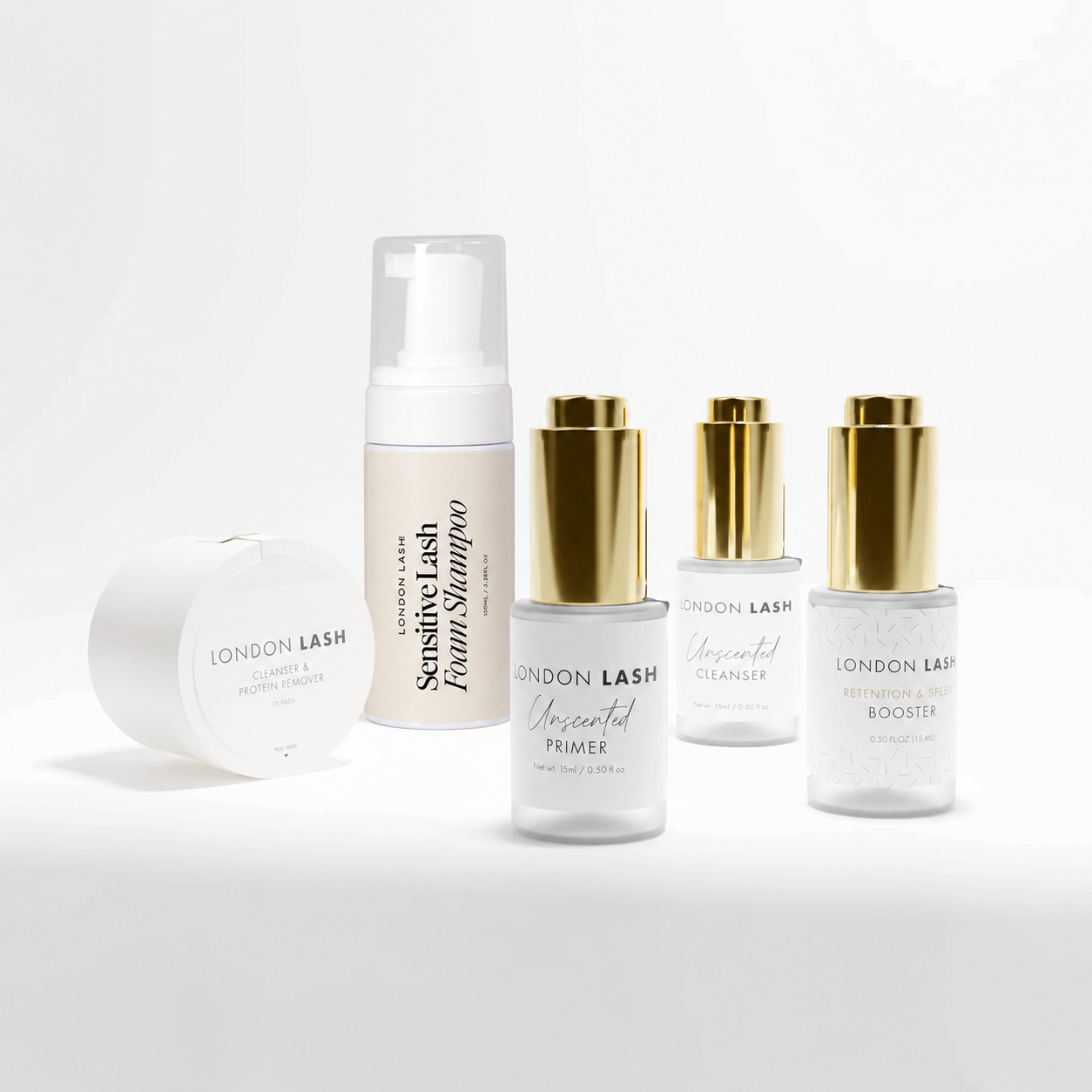
- Keep up gentle aftercare. When the eyes are comfortable, clients can cleanse their extensions with a product designed for lash extensions, such as Sensitive Lash Shampoo, and a soft cleansing brush. Show them how to follow the product directions without scrubbing the lash line.
- Refer medication questions to a healthcare professional. If a client asks what they can take for allergy symptoms, suggest speaking to a pharmacist or another healthcare professional for advice.
- Book when the client’s eyes are comfortable. Ask about known allergies, current symptoms and any previous reactions during the consultation. If their eyes are already red, swollen or watering persistently, postpone the appointment and suggest they seek medical advice if needed.
- Choose lengths for the look and the natural lashes. A shorter set can give a subtle finish. Discuss length and weight as styling choices and avoid promising that shorter extensions will prevent irritation or reduce allergy symptoms.
- Avoid rubbing or tugging. Rubbing itchy eyes can disturb the extensions and pull on natural lashes. If the client feels they need to rub their eyes repeatedly, encourage them to seek advice about the symptoms.
Talk through these points during the consultation, particularly if your client is prone to seasonal or pet allergies. Agree on when to reschedule and let them know what to do if symptoms develop after they leave.

What If Symptoms Develop During or After an Appointment?
If a client’s eyes become irritated or start watering persistently during application, pause the treatment. If they can’t comfortably keep their eyes fully closed, stop the service. For clients whose eyes are comfortable, follow the directions for your usual lash pretreatment products. Pretreatment prepares the lashes for application and should never be used to manage an active reaction.
If a client reports new eyelid swelling or persistent irritation after an appointment, advise them to seek medical advice promptly. Eye pain, sensitivity to light or changes in vision warrant urgent medical assessment. Keep a record of the products used at the appointment so the client can share that information with their healthcare professional if needed.
Check out these featured products