Patch Testing for Lash Extension Treatments

Table of Contents
How to Patch Test Clients for Lash Extension Treatments
Depending on your location in Europe, the rules and safety requirements around patch testing for eyelash extensions may differ. This article provides a general overview of the importance of patch testing and how it may be incorporated into your client consultation process. Always follow local regulations, your insurer’s requirements and the instructions provided by the adhesive manufacturer.

What Is a Patch Test?
A patch test for eyelash extensions is not necessarily the same as patch testing for procedures such as brow henna or hair colouring. Lash extension testing requires a different approach because professional lash adhesive should never be applied directly to the client’s skin.
For some brow and hair treatments, a small amount of product may be placed on the skin according to the manufacturer’s instructions. If the client experiences burning, persistent redness, soreness, swelling or another adverse reaction, the full treatment should not be performed.
Testing for a possible reaction to an eyelash extension treatment may instead involve a short lash application. Lash Technicians should follow the adhesive manufacturer’s patch-testing protocol and any applicable local or insurance requirements.
How to Perform a Lash Extension Patch Test
The synthetic fibres used to create London Lash eyelash extensions are not normally the component associated with adhesive reactions. Reactions are more commonly connected to ingredients within lash adhesive, including cyanoacrylate, which is responsible for forming the adhesive bond.
Lash adhesive should not be placed behind the client’s ear or directly onto their skin. Where a manufacturer recommends a short application test, apply a small number of extensions using the same products and technique that would be used during the full treatment. The exact procedure and number of lashes should follow the manufacturer’s instructions.
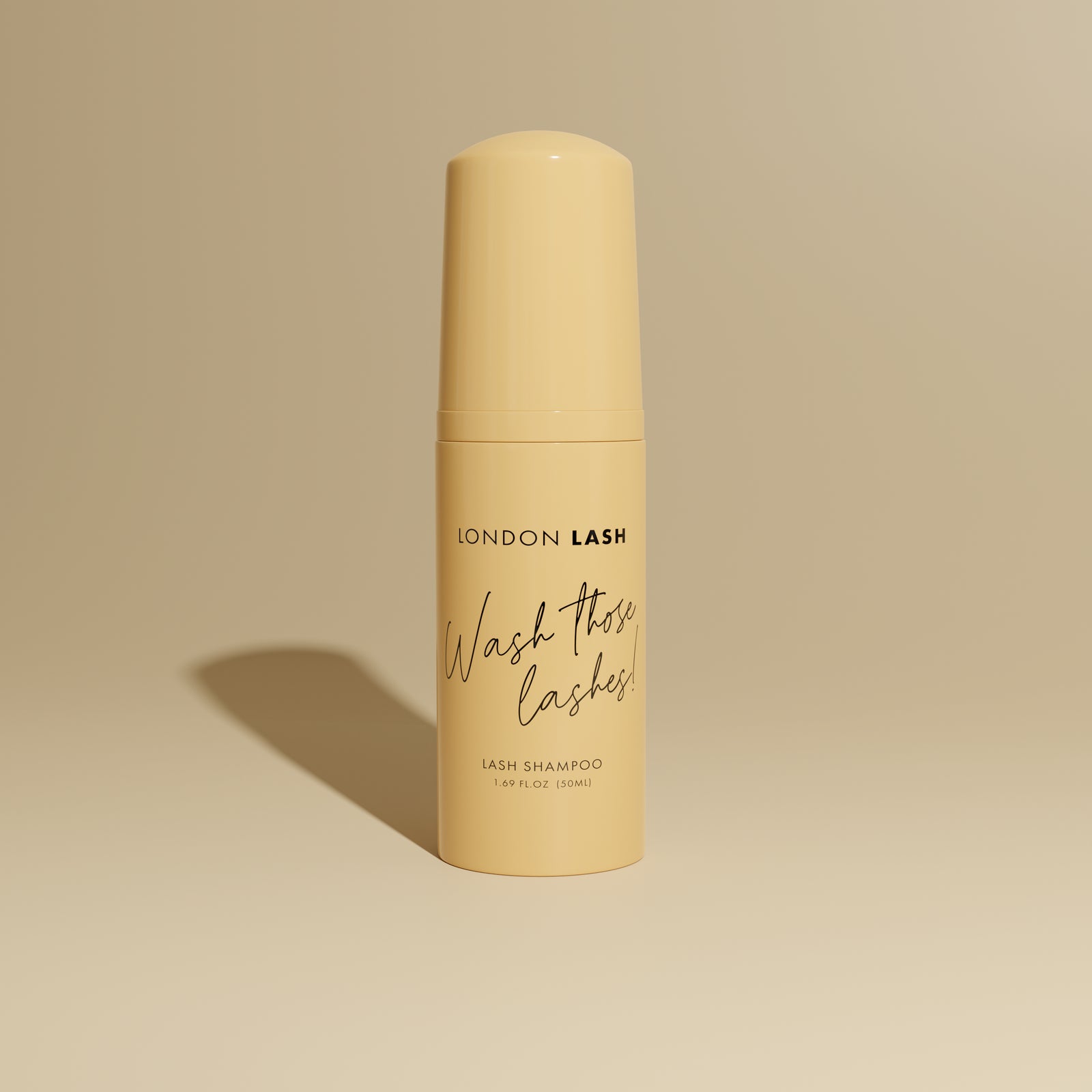
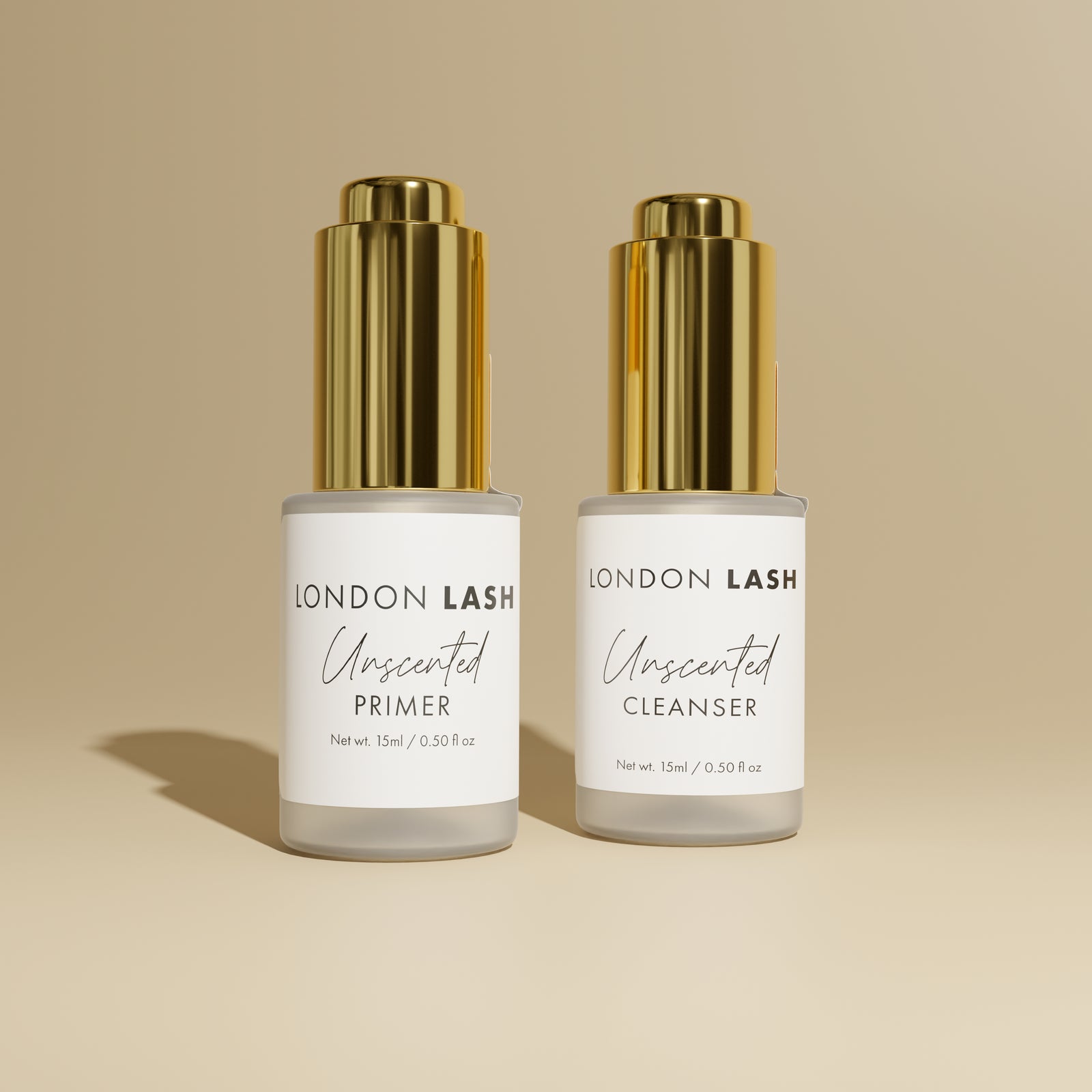
Before beginning, cleanse the client’s natural lashes with Lash Shampoo or prepare them with the Super Prep Duo Cleanser and Primer. This helps remove makeup, oil and other residue before the extensions are applied.

What Happens After the Test?
Follow the adhesive manufacturer’s recommended waiting period before completing the full treatment. This is often between 24 and 48 hours, but the required period may vary between products and jurisdictions.
A patch test cannot guarantee that a client will not experience a reaction during or after a future treatment. If the client develops redness, itching, swelling, soreness or another suspected reaction, do not proceed with the full application. Advise them to seek guidance from an appropriate healthcare professional.
It is also important to recognise the difference between an allergic reaction and irritation caused by adhesive fumes or incorrect application. Read our guide to chemical burns and allergic reactions for further information.
Products marketed as sensitive lash adhesives still require careful professional use and may still contain cyanoacrylate. A lower-fume or slower-curing formulation does not guarantee that an allergy will not occur. Lash Technicians should never knowingly perform a treatment on a client who has previously experienced a suspected allergic reaction without appropriate professional guidance.
Keep consultation records updated and ask returning clients about changes to their health, medication and previous treatment reactions. Follow your insurer’s requirements regarding whether and when repeat patch testing is necessary.
How Accurate Is a Patch Test?
A patch test is not 100% conclusive. A client may experience no symptoms following a test but still develop sensitivity or an allergic reaction during a later treatment. Previous uneventful appointments do not guarantee that a client will never react in the future.
Patch testing should therefore form part of a wider consultation and risk-assessment process rather than being treated as a guarantee of suitability. Maintain detailed client records, use professional products correctly and stop the treatment if the client experiences discomfort or signs of a reaction.
Tips for Reducing Adhesive-Fume Exposure
At the end of a completed lash treatment, Superbonder can be applied according to its instructions to finish curing the adhesive bonds and help reduce residual fumes. Superbonder does not make lash extensions safe for somebody with a known adhesive allergy.
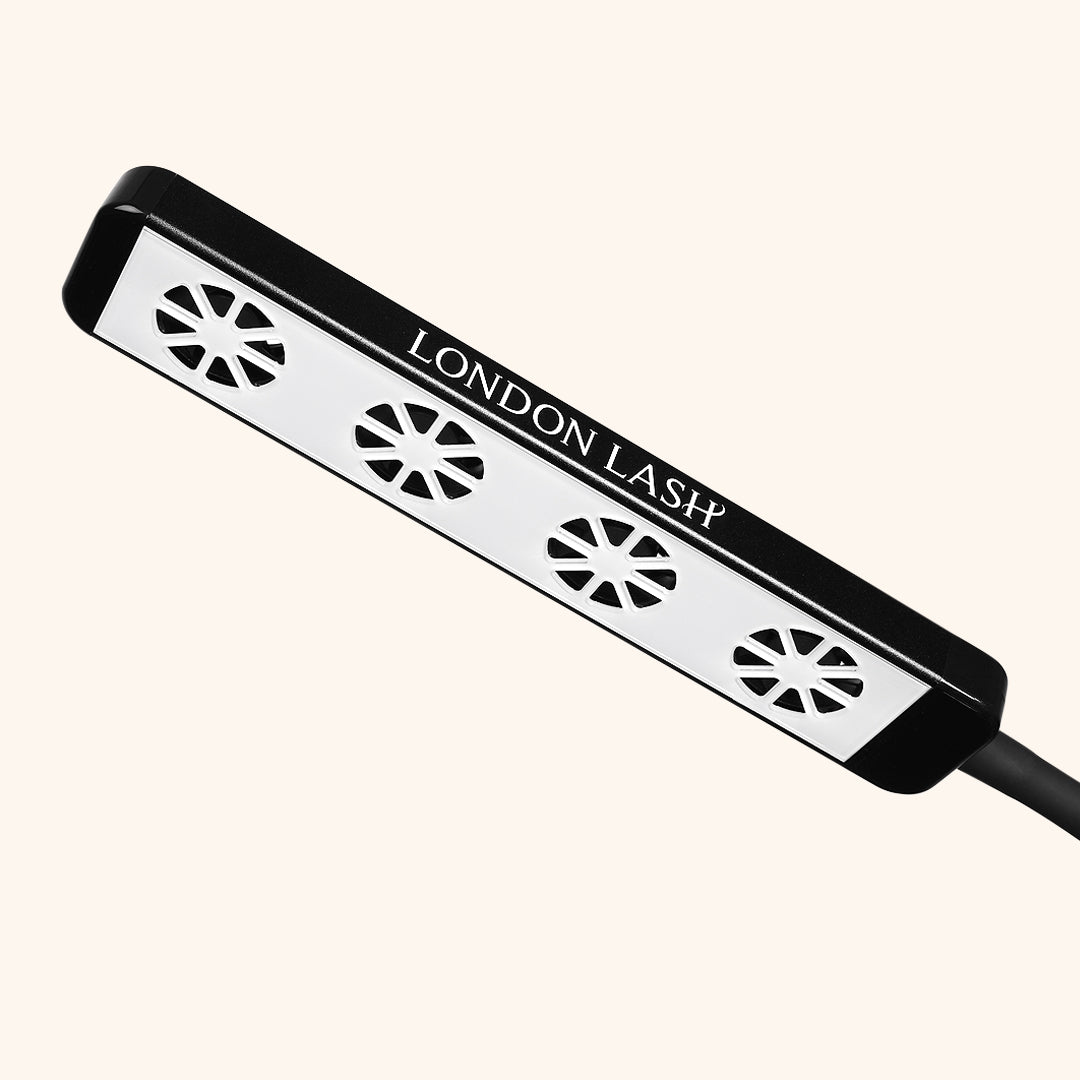
Good salon ventilation is also important when working with professional lash adhesive. A Glamcor Flow can help direct adhesive fumes away from the immediate treatment area and improve airflow around the workstation.

Check out these featured products