What is Lash Glue Shock Polymerisation?
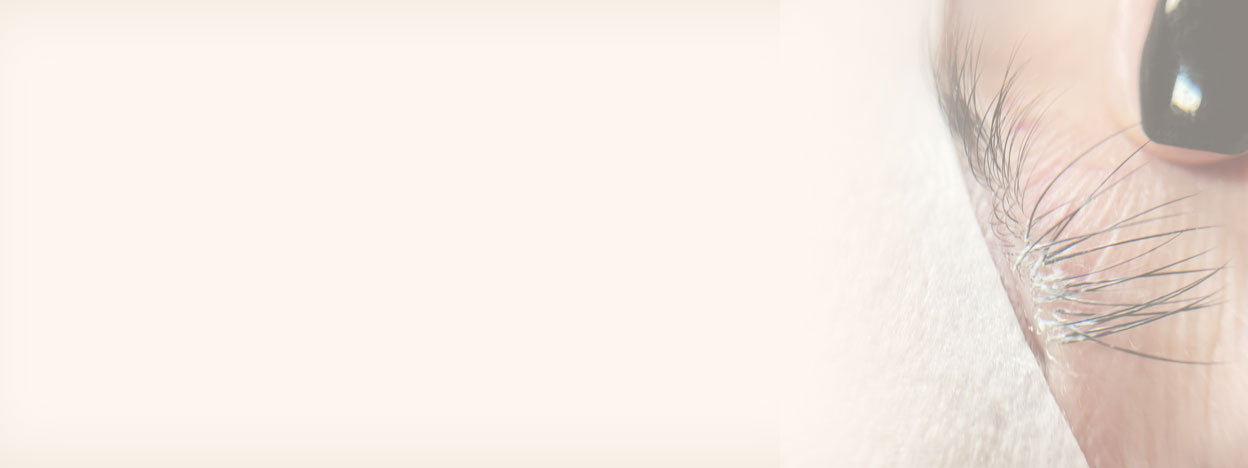

Table of Contents
Let's Talk About Shock Polymerisation
As a Lash Tech, you should be aware of what can go wrong with Eyelash Glue and how to avoid or fix those issues if they arise. Knowing your lash glue’s drying time, optimum humidity and temperature levels, and shelf life is important for proper glue use. However, even knowing which glue works best for you will not solely prevent problems with your lash adhesive.
One such problem is shock polymerisation. Thankfully, it is an easy problem to avoid and relatively straightforward to fix if you do experience it. Here’s what you need to know.
What Is Shock Polymerisation?
Shock polymerisation is when lash adhesive dries exceptionally fast after coming into contact with liquid while it is still wet. When lash glue shock polymerises, it takes on the appearance of white crystals, somewhat like sugar. This looks messy because we want to keep the glue carbon black to match the lash extensions. Polymerised lash glue is also brittle and weak.

How Does Lash Glue Shock Polymerise?
Shock polymerisation happens when lash glue cures exceptionally fast due to excess moisture. While some moisture in the air is needed for glue to dry correctly, always check the optimum humidity for your chosen adhesive using our Glue Chart. Shock polymerisation occurs when eyelash glue comes into contact with liquid while it is still wet. The glue changes from carbon black to white or crystallised and becomes brittle.
This may happen because excess moisture is present, usually because the client’s eyes are overly watery during a lash extension treatment. To help avoid this, make sure their Eyepatches and Tape are applied correctly, and begin lashing from the outer corners. For extra absorption, you can use Foam Tape instead of eyepatches for clients with watery eyes.
Shock polymerisation can also happen during lash removal. This is common because lash remover reactivates the adhesive, and residue may be left behind. When the Lash Artist cleans the lashes using Protein Removing Pads, Cleanser or Primer, the liquids can cause unexpected shock polymerisation of leftover lash glue. This is why it is essential to clean everything thoroughly during lash removal.
In the past, companies have suggested using a Nanomister to cure glue faster. This small device sprays water in a fine mist. While moisture is important for curing glue, it can make the bonds between the adhesive and extensions brittle, so it is not something we recommend. Instead, we developed Superbonder Sealant, which seals the bonds and glue fumes and cures the glue immediately after application.
What Are the Dangers of Shock Polymerisation?
The good news is that shock polymerisation is not dangerous to your clients’ health. The biggest threats are aesthetic issues and poor reviews. However, the larger crystals formed during shock polymerisation can increase the likelihood of stickies in the lash set. When you spot shock polymerisation, you should remove the affected lashes, which will also remove any associated stickies.
How to Deal With Shock Polymerisation
Shock polymerisation does not always happen on the client’s lashes, so monitor the glue in its bottle. Make sure your adhesive is in date. London Lash adhesives have an expiration date of six months unopened from the production date. After opening, the glue should be used within four to six weeks.
Keep your lash glue in an Airtight Container for best protection and results. Always use a Digital Hygrometer to monitor your workspace conditions and ensure that humidity and temperature remain within your adhesive’s optimum range.
If you notice white crystals or residue on the glue nozzle, it means the adhesive has come into contact with moisture and may not perform correctly. We do not advise storing glue in a fridge after opening because condensation can form inside the bottle.
If shock polymerisation happens while you are lashing, remove the affected extensions, clear away all residue, cleanse the lashes and reapply. To avoid damaging unaffected lashes, tape them out of the way so you only remove the affected extensions.
If shock polymerisation happens during removal, reapply the Lash Remover, leave it for a couple of minutes, then remove the residue and cleanse the lashes. Shock-polymerised glue breaks down more quickly than fully cured glue.

So there you go: some information on eyelash glue shock polymerisation. Know the signs and make sure you understand how to avoid it. Preventing it is much easier than removing the affected area. Shock polymerisation during a treatment can be time-consuming and frustrating, but if you spot the signs quickly, you will be able to deal with it like a true professional.
Check out these featured products