Which Lash Extension Style Suits Which Eye Shape
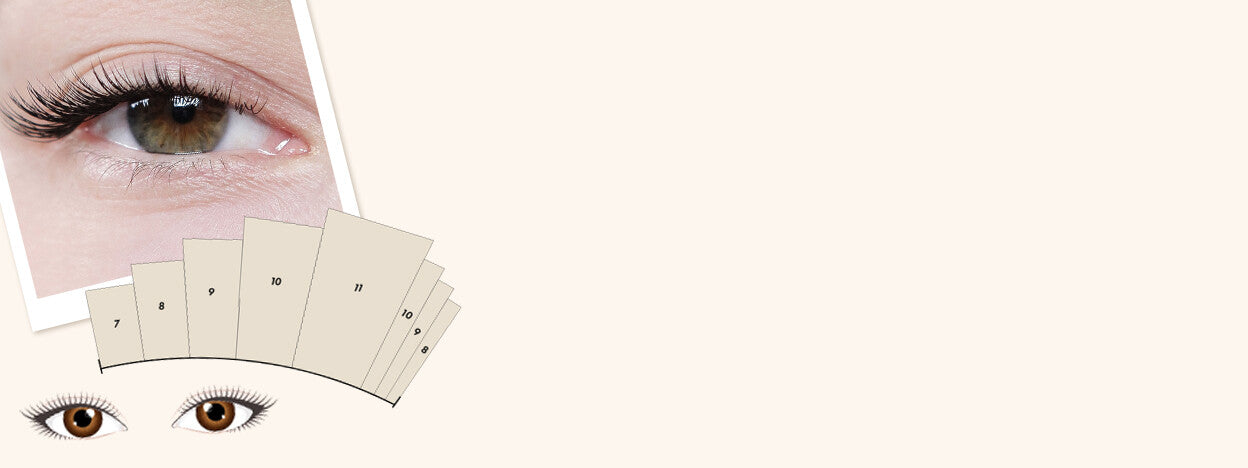

Table of Contents
Let's Talk About Lash Extensions & Eye Shapes
There are so many factors to consider when choosing a lash map for each client. To start, let’s discuss the basic approach to matching eyelash extensions with different eye shapes.
We say “basic” because one client may have several of these features. You will need to decide which styling to choose based on the most prominent features, as well as what the client wants to achieve. Today, we are going to discuss how lash technicians can recognise a client’s eye shape during a consultation and recommend a suitable lash extension style.
New lash trends appear all the time, but not every style will suit every client. Don’t be afraid to experiment, but approach each consultation with an informed discussion about what is suitable, what may be difficult to achieve and what will complement the client’s unique face and eye shape.
Eye Shapes
Eye shape is an important consideration when applying eyelash extensions. Every client is different, and the same lash map can look entirely different from one client to another.
Some clients may also have several of these characteristics. Monolid eyes may be upturned or downturned, while bulbous eyes may be narrow, round or hooded with downturned outer corners.
We have compiled a chart that cross-references suitable lash styles with different eye shapes. Use it to help select a lash map, alongside your professional assessment of what will suit the individual client.

Eye Shapes and Lash Styles
Round eyes: Round eyes do not automatically mean large eyes. Squirrel or Cat Eye lash styles can work particularly well. The lifting effect of a Cat Eye can elongate round eyes and create a more almond-shaped appearance.
Squirrel styling can also lift the outer corners while providing a framing and eye-opening effect. It is one of the most versatile lash extension styles.

Bulbous eyes: When working with bulbous eyes, consider similar principles to those used for round eyes. Aim for styles that complement and balance the eye without taking away from its naturally large appearance.
A Cat Eye can provide lift and create the appearance of almond-shaped or upturned eyes. Squirrel styling can also frame the eyes, lift the outer corners and preserve their open appearance.
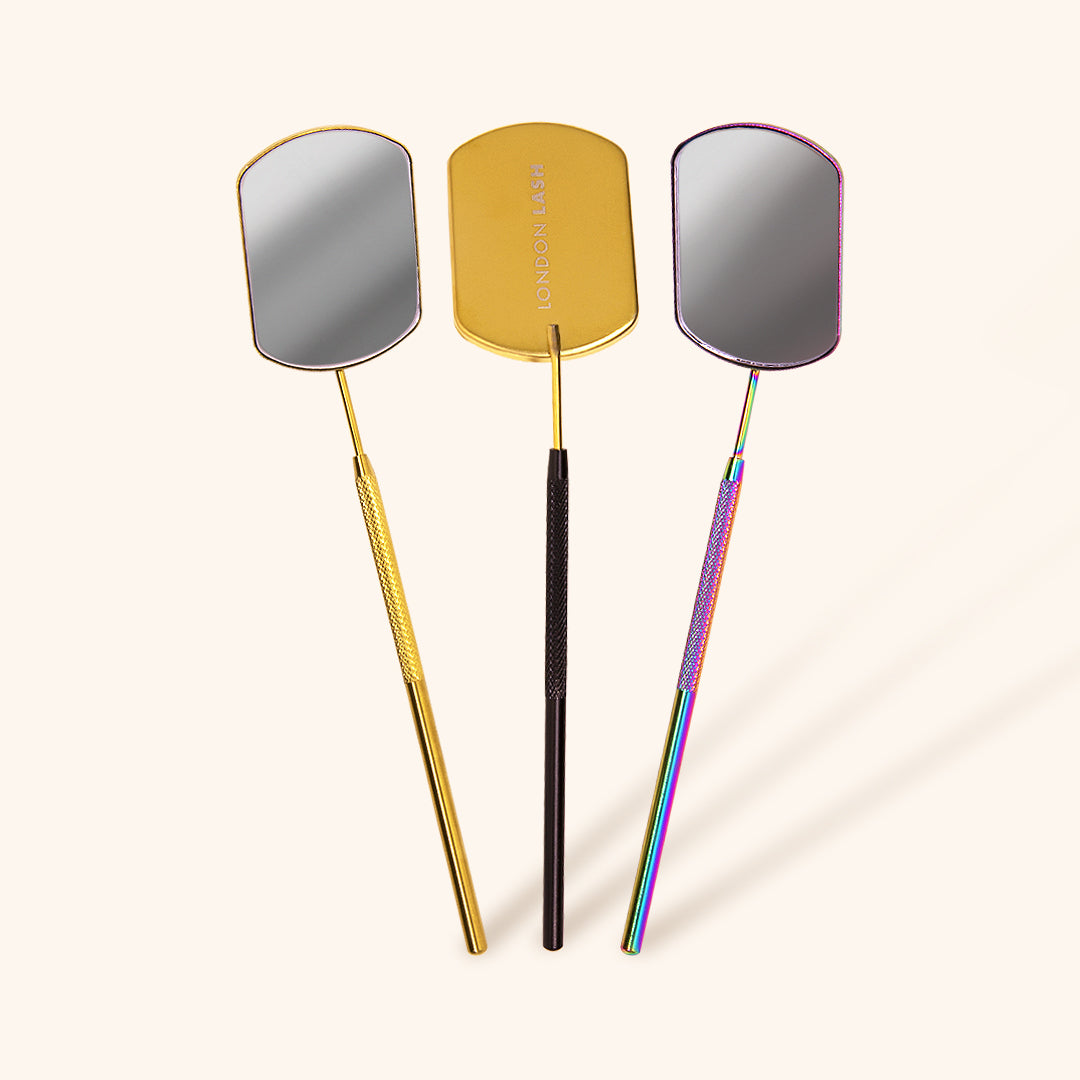
Top tip: Clients with bulbous eyes can sometimes struggle to close their eyes completely, making them more susceptible to irritation or chemical burns. Use a Lash Mirror to check that the eyes are fully closed.
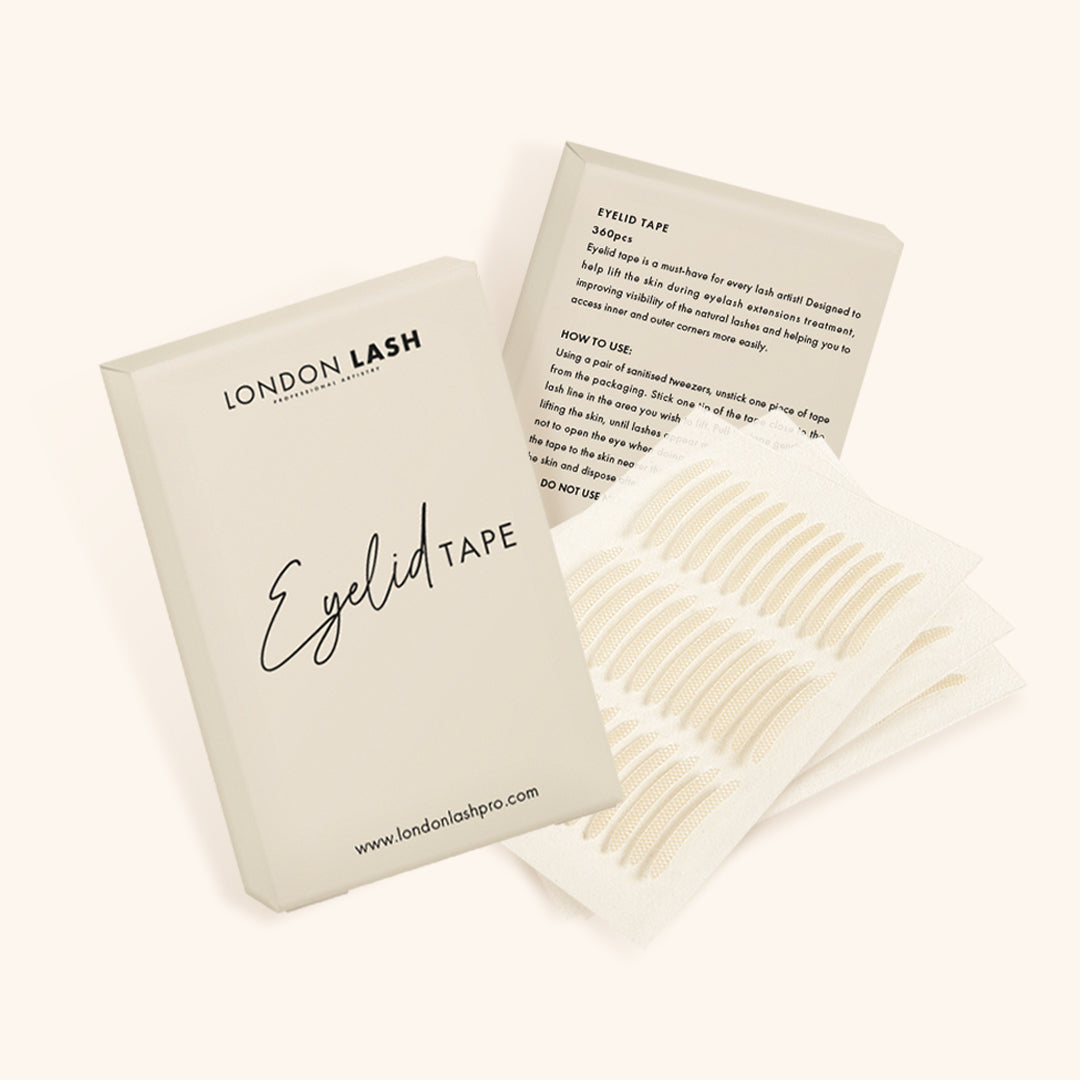
If the eyes are not completely closed, consider using Foam Tape instead of eyepatches. You can also use an Eyelid Strip, as explained in our guide to using eyelid tape for lash extensions.

Almond eyes: Cat Eye, Dolly, Squirrel and Natural lash styles can all suit almond eyes. Almond eyes already have a naturally lifted shape, which makes them particularly well suited to Cat Eye styling.
Dolly styling creates an eye-opening effect, while Squirrel styling frames the eye and adds lift and drama. Natural lash maps can create a subtle result or form the basis of a bolder lash set.
Using Mayfair Eyelash Extensions with a Natural lash map can create a dark, defined finish that accentuates the client’s eyes.

Narrow eyes: When working with narrow eyes, look for an effect that balances rather than elongates them further. Dolly, Natural and Squirrel lash styles can all work well.
Dolly styling provides a wide-eyed, open appearance. Squirrel styling offers some of the outer-corner lift associated with a Cat Eye without excessively elongating the eyes. Natural mapping is ideal for clients who want a more understated but defined result.
For additional definition, consider using Flat Lashes to create a lightweight Classic lash set with a fuller, darker finish.

Upturned eyes: Squirrel, Cat Eye and Natural styles can complement upturned eyes. A Natural style will follow the eye’s existing lift, while Squirrel and Cat Eye styling can add more drama.
Because the outer corners are already angled upwards, take care when selecting curls. A C or CC Curl can provide a complementary result without creating excessive lift.

Downturned eyes: Cat Eye styling can sometimes emphasise downturned outer corners. Squirrel styling can provide lift, while mixing lash curls can help create a more balanced result.
L Curl or M Curl lashes can provide a bold lift at the outer corners. Dolly styling can create an eye-opening effect, while a Natural map using C or CC Curl lashes can produce a soft, fluffy lash line.
If a client with downturned eyes wants a Cat Eye, carefully consider the lengths and curls you use. Lashes that are too long or have a softer curl may make the outer corners appear lower. Shorter lashes in a curl such as Extreme L can provide the required lift.

Hooded or monolid eyes: Cat Eye, Squirrel, Dolly and Natural styles can all work with hooded or monolid eyes. The best choice depends on the size and position of the eyes, whether they need additional lift and whether they are wide-set, close-set, deep-set or prominent.

When working with hooded or monolid eyes, consider how the length and curl of the extensions will interact with the eyelids when the client opens their eyes. A softer curl in a slightly longer length may help prevent the lashes from becoming trapped beneath the eyelid or touching the brow bone.

Not every client with a particular eye shape will suit every suggested lash style. A detailed consultation and an understanding of the client’s desired result are just as important as selecting the technically “correct” map.
If a client wants a Cat Eye but the standard map may not complement their eye shape, suggest a Squirrel map or adapt the lengths and curls to make the requested effect more flattering. Similarly, if a Dolly map is unsuitable, show the client examples of alternative eye-opening styles.
Consider the client’s preferred density, volume and overall finish, then adapt the map to create a personalised lash set. You can also explore more lash mapping and styling guides on the London Lash blog.
Check out these featured products